
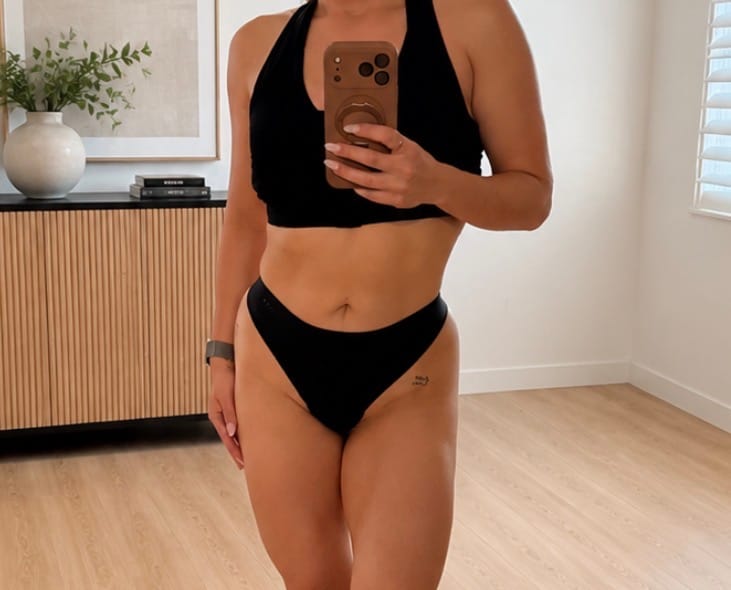
★★★★★
“They’re incredibly comfortable, stay dry, don’t ride up, and the best part? No panty lines under my leggings!”
Sade D. Verified buyer

Loading reviews…
Suggestions


A wide gusset thong uses a broader crotch panel to cover more of the front while keeping a thong back. CUVR combines a 3-inch cotton gusset with layered cotton front construction and a true high-rise fit for fuller, smoother front coverage under leggings and fitted layers.
Verified customer reviews
“They’re incredibly comfortable, stay dry, don’t ride up, and the best part? No panty lines under my leggings!”
Sade D. Verified buyer
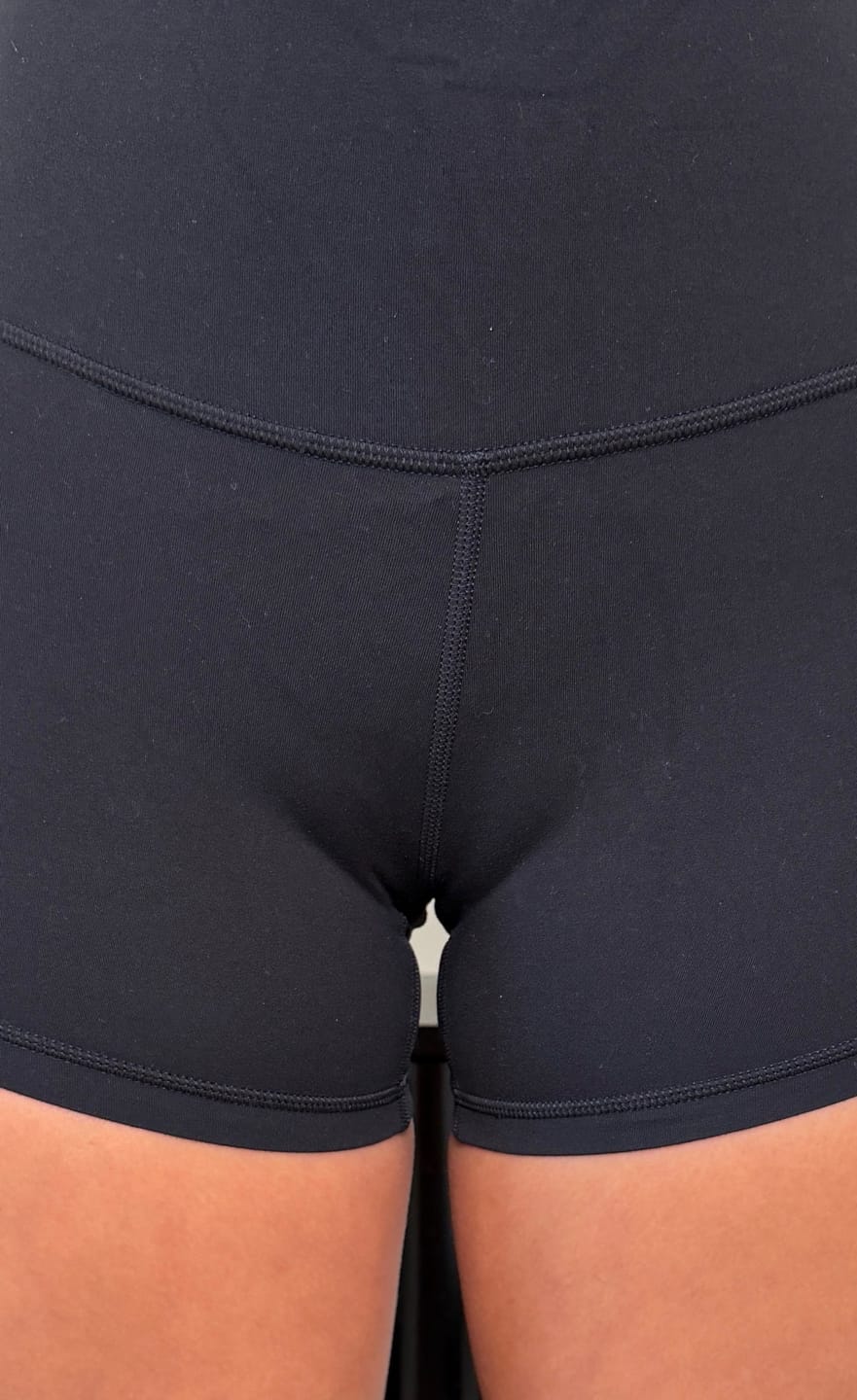
“They really do work! Look at the before and after!!! I can finally wear my expensive Lulu’s without feeling embarrassed of camel toe.”
Truong N. Verified buyer
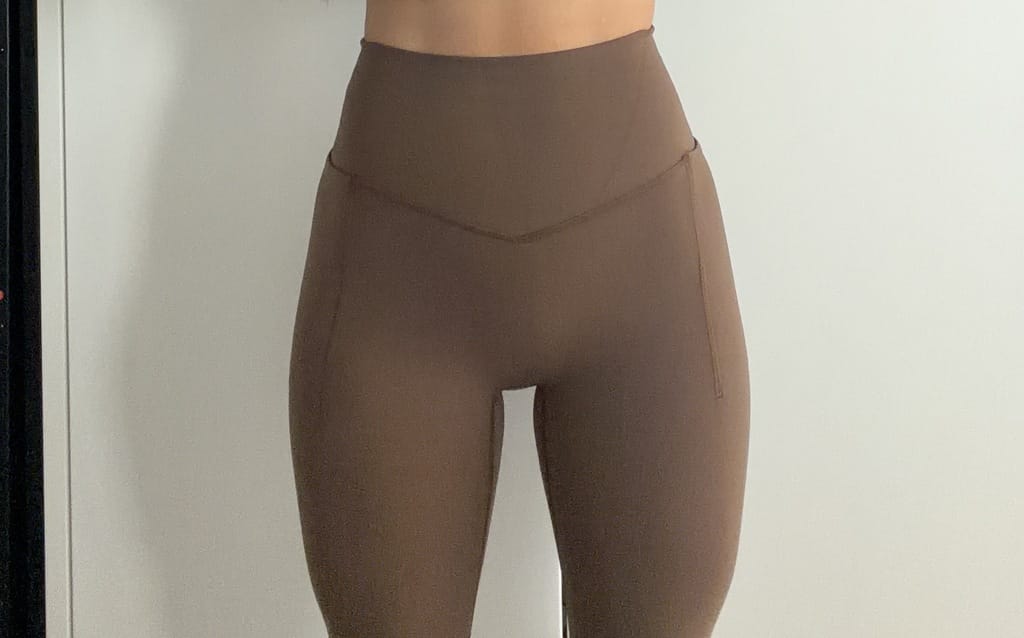
“There’s a pile of leggings in my closet that haven’t seen the light of day and I can finally wear them now because of this.”
Kylie J. Verified buyer

In a wide gusset thong, the crotch panel is cut broader through the front-coverage area. But a label alone does not tell you how a thong will fit.
Construction: Look at how wide the front panel is and whether it uses a single layer or layered front construction.
Placement: Notice where the panel sits while standing, sitting, and moving.
Fit: Check how the rise and leg openings land on your body in the garment you actually wear.
Width is one input. A wider panel still has to sit in the right place and fit without pulling off center.
A 3-inch cotton gusset. CUVR’s published gusset width is 3 inches. It is a breathable cotton gusset designed for fuller front coverage.
Layered cotton front construction. Width and smoothness are two different jobs. The layered cotton front is designed for smoother front coverage and camel toe confidence. For the full explanation of how garments, fit, and underwear interact, read the camel toe prevention guide.
A true high rise. The waistband is designed to sit high on the waist, not at the hip.
A body fabric that moves. The body is 72% nylon and 28% spandex, with soft-touch stretch designed to move with the body and keep its shape. See Materials & Care for full details or Facts About CUVR for the short factual summary.
Put on a thong you wear often, then get dressed in the garment where coverage matters most. Check these seven things:
The goal is to identify the specific issue. “Not enough front width,” “shifts when I sit,” and “shows under one pair of leggings” are more useful than deciding every thong fails in the same way.
Fitted knits show more of what sits underneath them. A wider front panel and layered front construction are designed to give the garment a smoother foundation. Results still vary by legging weight, seam placement, rise, and stretch.
The soft-touch stretch body is designed for movement, while the broader gusset adds front coverage. Comfort and fit still vary by activity, duration, sizing, and the garment worn over it.
Evaluate the underwear rise and jean rise together. Depending on the jean, the waistbands may align, overlap, or create extra pressure. Try the pair with the jeans you wear most, sitting as well as standing.
Draped and clingy fabrics reveal edges more than structured fabrics. The thong silhouette is designed to stay smooth under clothing while the wider front adds coverage. No underwear looks identical under every fabric.
For daily wear, the same basics matter: rise, front coverage, a breathable cotton gusset, and soft-touch stretch.
These are fit checks, not diagnoses. CUVR has not tested every body and garment combination.
The gusset sits off center. Check the size, positioning, and whether the outer garment is pulling it. Reset the fit and test it again in the same outfit.
The waistband rolls or digs. Remeasure your waist and hip, then compare both with the live size guide. Also check how the waistband interacts with the rise and tension of the outer garment.
The front shifts during movement. Note when it happens: walking, sitting, or training. The trigger helps identify what to adjust.
You can see an edge. Recheck under a different fabric weight before changing size. The outer fabric may be the variable.
Your measurements fall between sizes. Start with waist and use hip to confirm. Apply CUVR’s smaller-size rule only when your measurements genuinely fall between two sizes. See Fit & Coverage.
Both colors use the same 3-inch cotton gusset, layered cotton front construction, and true high-rise cut.
Shop the CUVR High Rise Thong in Jet Black or Desert Sand. For sizing, visit the Size Guide.
Related guides: Wider gusset underwear · Cotton gusset underwear · Camel toe prevention underwear
It is a thong with a wider front panel, so more of the front is covered instead of narrowing to a thin strip. It keeps the thong back while changing the amount of fabric across the front.
CUVR’s published gusset width is 3 inches.
Width and thickness are different dimensions. CUVR’s front coverage comes from its 3-inch width and layered cotton construction, not shapewear-style compression.
The gusset is breathable cotton. The body is 72% nylon and 28% spandex with soft-touch stretch. See Materials & Care.
It is made for leggings and other fitted layers. The wider front and layered construction are designed for fuller, smoother front coverage, with results varying by legging.
No underwear is invisible under every garment. Thin, pale, shiny, or heavily stretched fabrics can reveal more.
It is designed to reduce shifting through normal movement, but no underwear holds one position for every body, size, activity, and garment.
Start with your waist measurement and confirm with your hip measurement. If your measurements genuinely fall between two sizes, CUVR’s current guidance is to choose the smaller one. See Fit & Coverage.
No. The 3-inch width is about fuller front coverage. The layered cotton front supports camel toe confidence. Neither is a guarantee, because the outer garment and overall fit matter too. Read the camel toe prevention guide.
CUVR is designed to help prevent visible camel toe, but results vary by body shape, sizing, movement, and clothing fit. Camel toe proof and camel-toe-proof are shopper phrases, not an absolute guarantee.


